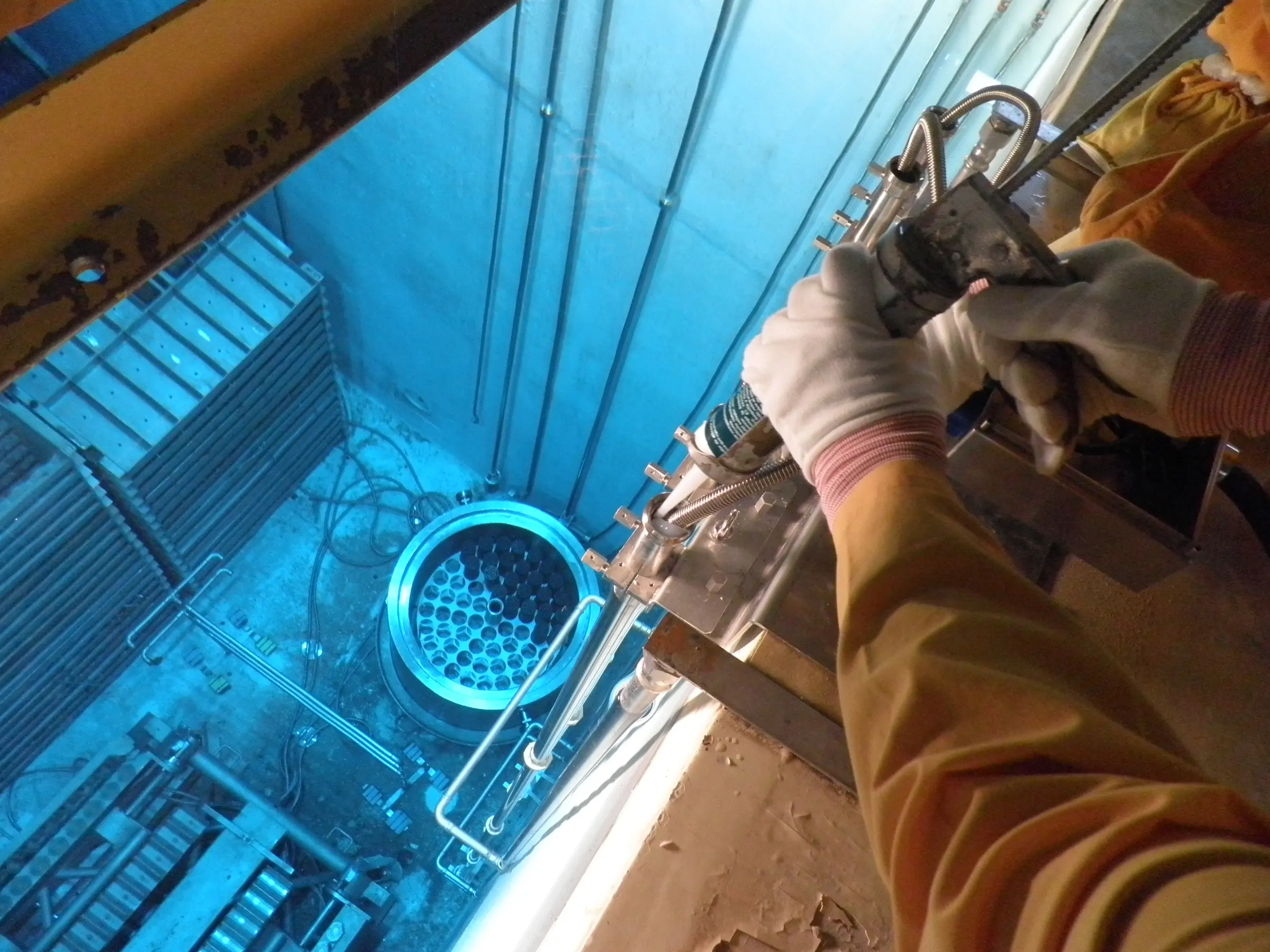
The creation of ABACC as an intergovernmental organization arises from a process of building mutual trust between Argentina and Brazil and the development by both countries of a strategic alliance for the nuclear sector. In 1980, Argentina and Brazil signed a cooperation agreement for the development and application of peaceful uses of nuclear energy. This agreement established the necessary conditions for the reciprocal knowledge of both nuclear programs through an exchange of information and consultations. In 1991, both countries signed the Agreement for the Exclusively Peaceful Use of Nuclear Energy – as a Bilateral Agreement – which creates ABACC, whose mission is to verify that all nuclear materials and facilities in Argentina and Brazil are used exclusively for peaceful purposes. The Bilateral Agreement constitutes a milestone in the peaceful uses of nuclear energy and is a decisive non-proliferation tool between these two countries with advanced nuclear programs in our region, the first Nuclear-Weapon-Free Zone in a densely populated area of the world. This demonstrates the clear and defined commitment of Argentina and Brazil to the peaceful use of nuclear energy while recognizing the sovereign right of both countries to develop and use nuclear technology for the benefit of their people.
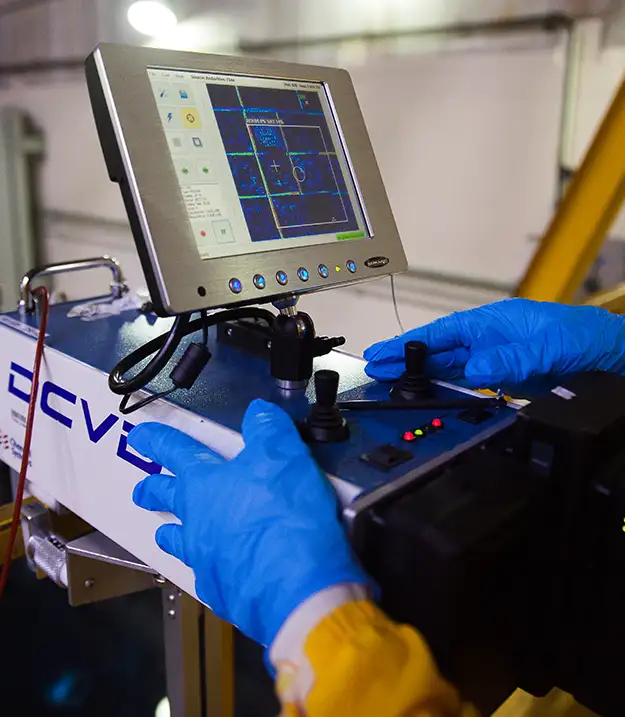
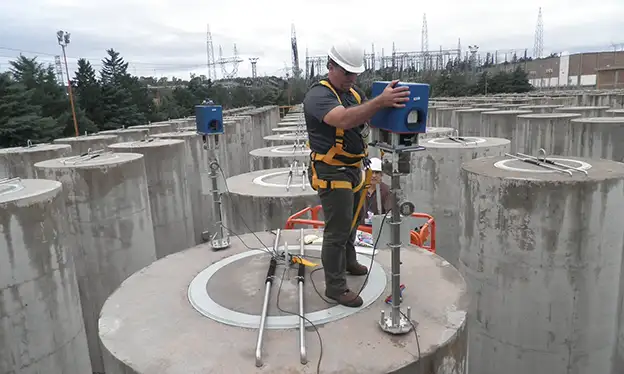
ABACC administers the Common System for Accounting and Control of Nuclear Materials (SCCC), a robust and independent safeguards system that, through inspections and other verification and evaluation measures and techniques, is capable of confirming that there are no indications of diversion of nuclear materials for the manufacture of nuclear weapons or any other nuclear explosive device. ABACC's inspectorate, provided by both countries, has conducted nearly daily missions in Argentina and Brazil, reaching independent technical conclusions regarding the activities and materials subject to the Common System. Over the course of its existence, ABACC has achieved solid international credibility in the effective and efficient verification of nuclear activities in Argentina and Brazil. The main reasons for this have been the continuous political commitment, the technical and economic support provided by both countries, and ABACC's independence in implementing its verification activities.
ABACC is a demonstration of how cooperation, dialogue, and mutual respect among countries can contribute decisively to regional and international security and, therefore, to peace. ABACC is rightly considered one of the most successful nuclear non-proliferation initiatives in the world. The process of creation and consolidation of ABACC, as well as the lessons learned from this experience, can serve as an inspiration to other regions of the world.
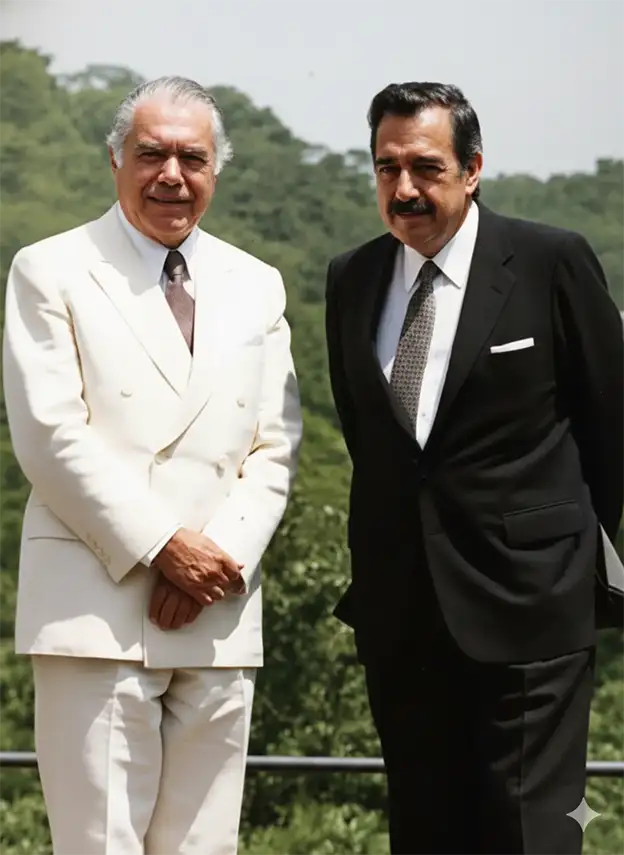
The creation of ABACC is part of a long historical process of trust-building and the formation of a strategic alliance between Brazil and Argentina in the nuclear sector. Beyond the results of its technical work—internationally recognized for its high quality—the importance of the political process that led to the creation of a binational nuclear material control agency is undeniable within the framework of Brazil–Argentina relations, which, in this specific case, has served as an admired example worldwide.
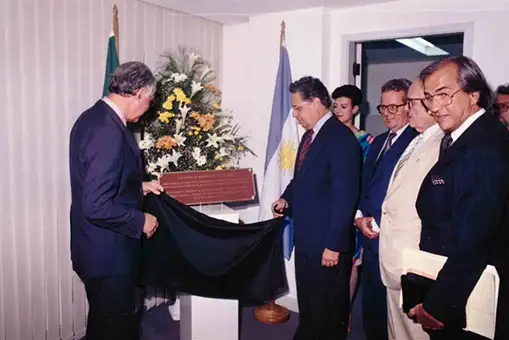
Creation of ABACC stemming from the Agreement between Argentina and Brazil for the Exclusively Peaceful Use of Nuclear Energy (Bilateral Agreement).
Inauguration of headquarters in Rio de Janeiro and execution of the first inspections.
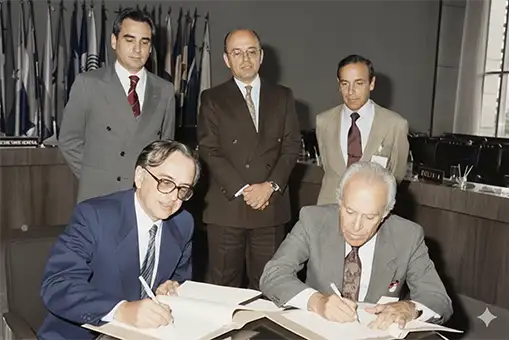
Signing of the Cooperation Agreement with the Agency for the Prohibition of Nuclear Weapons in Latin America and the Caribbean (OPANAL) and establishment of a Mutual Cooperation Arrangement with the National Nuclear Energy Commission of Brazil (CNEN).

Entrada em vigor do Acordo Quadripartite entre Argentina, Brasil, ABACC e Agência Internacional de Energia Atômica (AIEA), e assinatura do Acordo de Cooperação com a Comissão Nacional de Energia Atômica da Argentina (CNEA).

Assinatura do Protocolo de Colaboração com o Ente Nacional Regulador Nuclear da Argentina (hoje Autoridade Regulatória Nuclear – ARN).
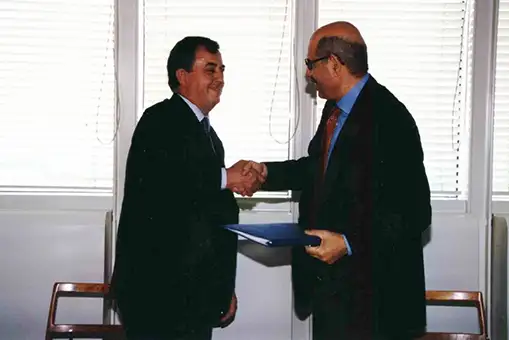
Signing of the Technical Cooperation Agreement with the IAEA.
Expansion of partnerships with the signing of the Agreement with the European Atomic Energy Community (EURATOM).

1,000 inspections performed.

10th anniversary of ABACC.
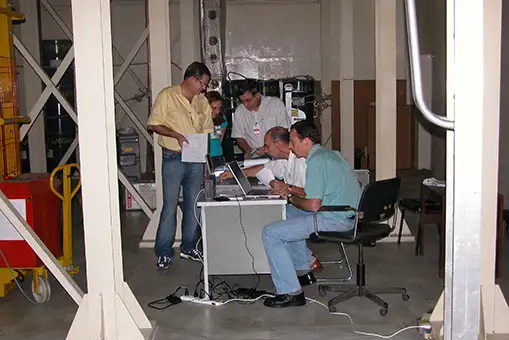
Development of the Accounting Audit System, the SJAR (Joint Records Audit System), and its adoption by the IAEA in joint accounting audits.

Signing of the Technical Cooperation Agreement with the Korea Institute of Nuclear Nonproliferation and Control of South Korea (KINAC).
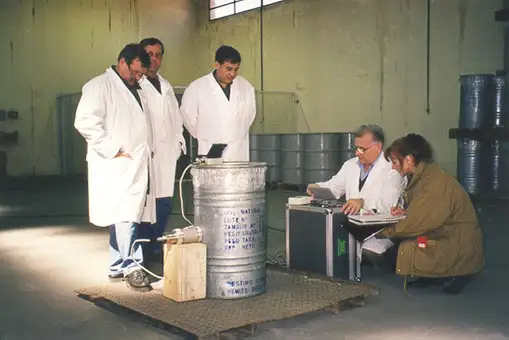
2,000 inspections performed.
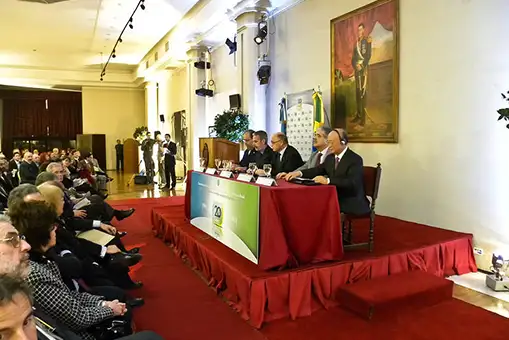
20th anniversary of ABACC.
Optimization of inspection procedures and modernization of safeguards systems.
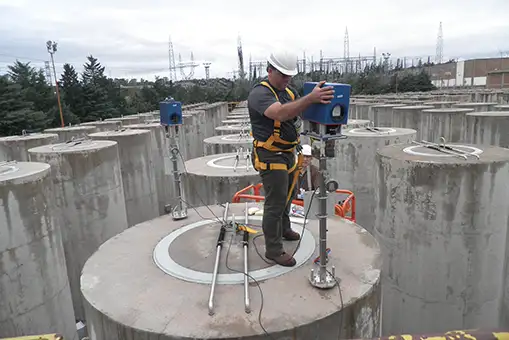
3,000 inspections performed.
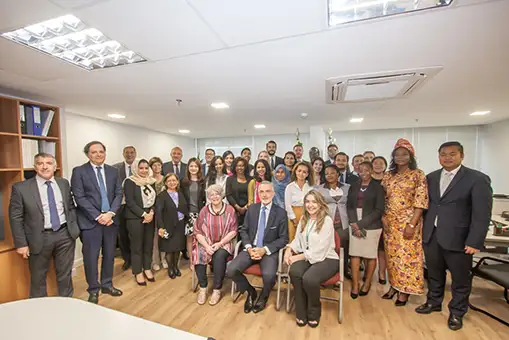
Certification by the American Society for Testing and Materials (ASTM International) of the ABACC-Cristallini Method for sampling gaseous UF6.
Inclusion of ABACC in the visit schedule of the United Nations Programme on Disarmament Fellowships.

100% completion of the Annual Verification Plan during the COVID-19 pandemic.
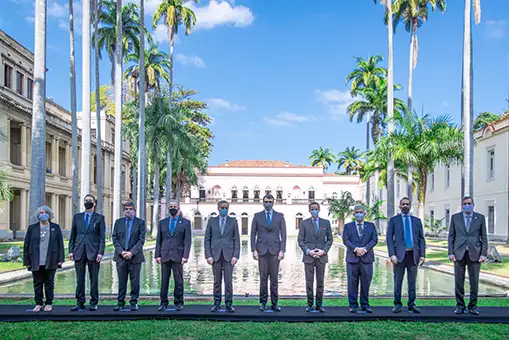
30th anniversary of ABACC and publication of the book ‘ABACC – A Pioneering Model’.
Recognition of ABACC’s contribution to the international nuclear non-proliferation and disarmament regime in a Resolution adopted by the UN General Assembly.
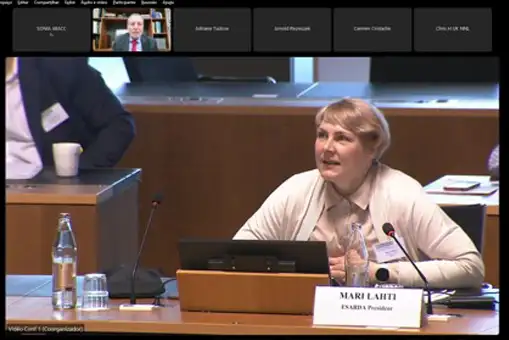
Signing of the Memorandum of Understanding with the European Safeguards Research and Development Association (ESARDA).

Implementation of the ABACC-Cristallini Method for sampling gaseous UF6.
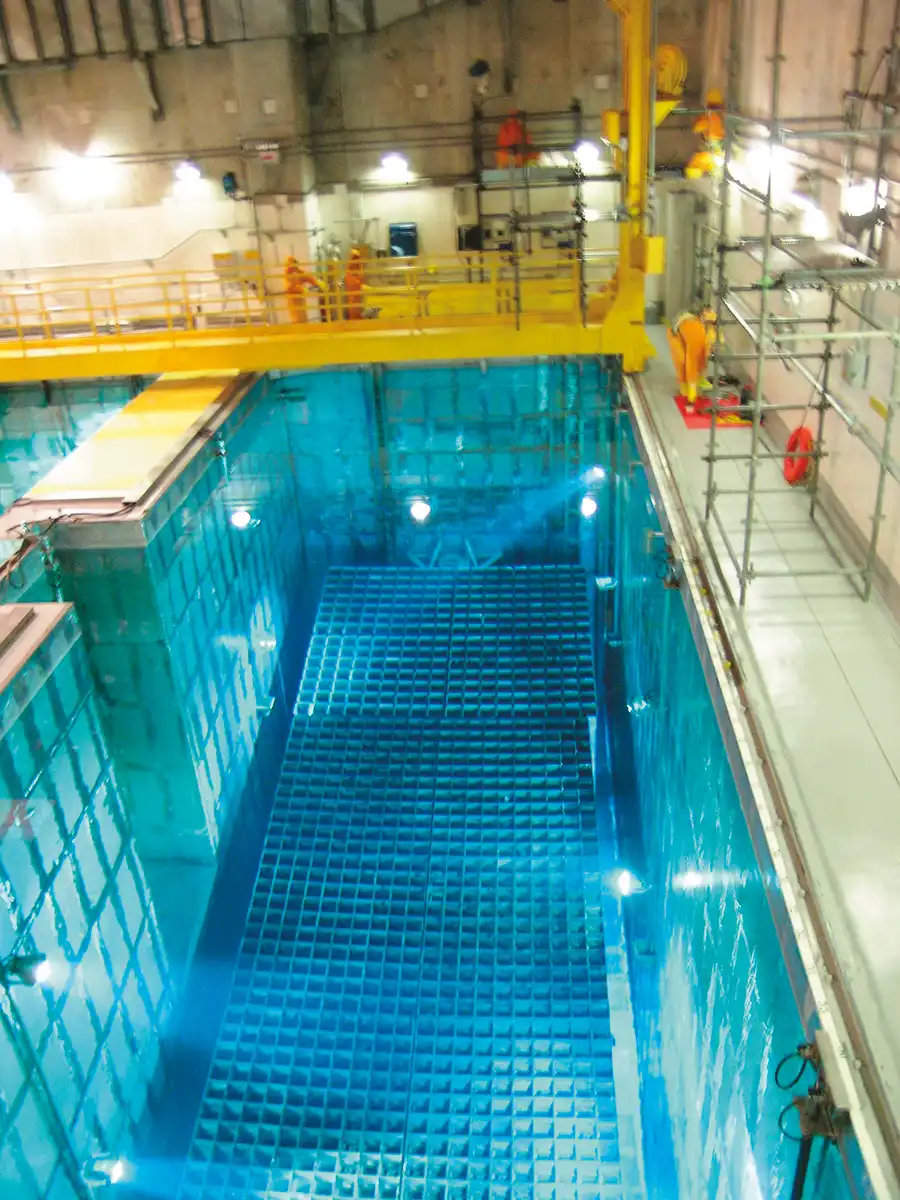
4,000 inspections performed.